The conveyor system was running perfectly – smooth operation, excellent throughput, zero mechanical issues. Yet the FDA warning letter arrived anyway. The citation wasn’t about equipment failure or operational problems. It was about validation documentation that didn’t meet current regulatory standards.
This disconnect between operational success and regulatory compliance highlights a critical challenge in modern manufacturing. Your conveyor system can work flawlessly from an engineering perspective while still creating massive business risks if it doesn’t meet industry-specific regulatory requirements.
The stakes have never been higher. Production shutdowns, delayed product launches, and multimillion-dollar retrofits are becoming common consequences when organizations underestimate the complexity of conveyor compliance across different industries.
The Reality of Multi-Industry Regulations
What makes conveyor compliance challenging is that the rules vary dramatically depending on your industry. A system that’s perfectly acceptable for general manufacturing might violate multiple regulations in food processing or pharmaceutical production.
I’ve learned this lesson working across different sectors. The same basic conveyor technology requires completely different approaches when you’re moving cereal in a food plant versus transporting tablets in a pharmaceutical facility versus handling consumer products in an FMCG operation.
Food Industry: Cleanliness Is Everything
Food processing has some of the most stringent conveyor requirements, and for good reason. Contamination events can affect thousands of consumers and destroy brands overnight.
The key challenges I see:
Material restrictions are non-negotiable. Everything that touches food must be FDA-approved. This sounds simple until you realize it includes belt materials, lubricants, cleaning solutions, and even the coatings on rollers. I’ve seen installations fail inspection because someone used the wrong type of grease in a bearing that was nowhere near the food.
Cleaning requirements drive design decisions. Food facilities typically wash down their equipment daily with high-pressure hot water and sanitizing chemicals. Your conveyor system needs to survive this treatment while being easy to clean thoroughly. This means eliminating places where bacteria can hide – no dead spaces, smooth surfaces, and easy access for cleaning crews.
Documentation is critical. HACCP requirements mean you need to prove your conveyor system supports food safety objectives. This affects everything from temperature monitoring to contamination prevention measures built into the design.
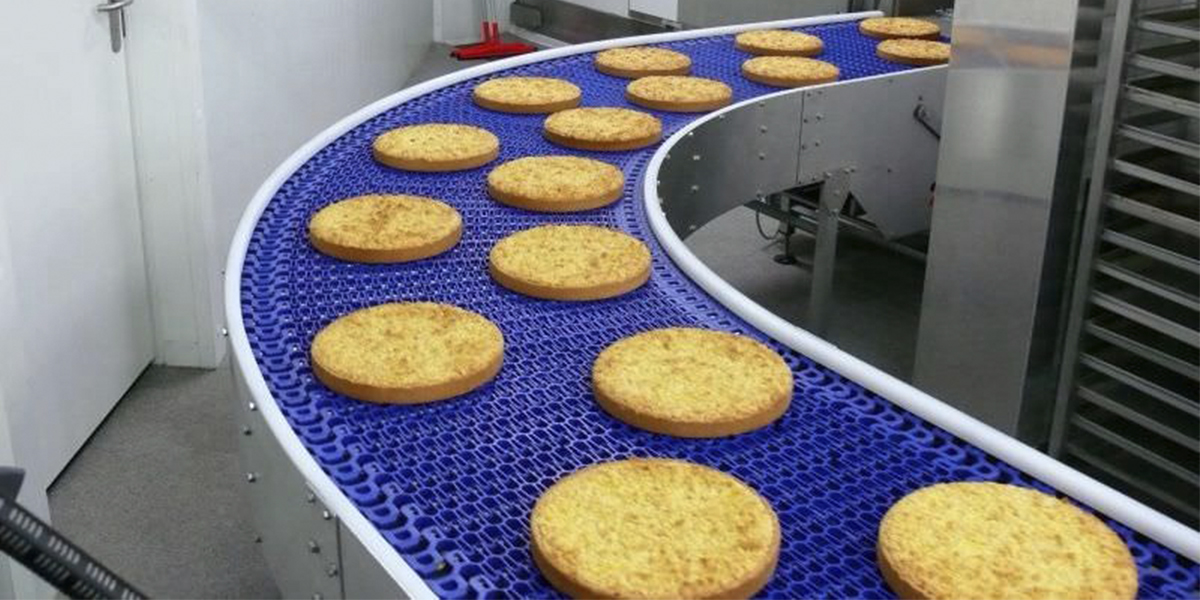
Real-world impact: A bakery client was spending 3 hours every shift cleaning their conveyor system. We redesigned it with better drainage, smoother surfaces, and improved access. Cleaning time dropped to 45 minutes, and they passed their next FDA inspection with zero conveyor-related findings.
Pharmaceutical: Where Validation Rules Everything
Pharmaceutical operations face the most complex regulatory environment. Every conveyor system becomes part of a validated manufacturing process, which changes everything about how you approach design and implementation.
The validation burden is significant. You can’t just install a conveyor and start using it. Every system requires formal validation – proving it works consistently, documenting every component, and maintaining detailed records. This process can take months and cost as much as the equipment itself.
Change control is a major consideration. Once a system is validated, you can’t modify it without going through formal change procedures. This means getting the design right the first time is critical. I always tell pharmaceutical clients to over-engineer rather than face validation nightmares later.
Materials and construction standards are extreme. Pharmaceutical conveyors often require stainless steel construction, special surface finishes, and materials that won’t contaminate products or interfere with cleaning validation studies.
Documentation requirements are extensive. Every decision needs justification, every test needs documentation, and every procedure needs written protocols. The paperwork often costs more than the hardware.
Case example: A pharmaceutical client needed a simple conveyor to move bottles between filling and packaging. What seemed like a straightforward project became a six-month validation exercise involving materials testing, cleaning studies, and extensive documentation. But it was worth it – they’ve had zero regulatory issues in five years of operation.
FMCG: Balancing Multiple Requirements
Fast-moving consumer goods present unique challenges because you’re often dealing with multiple product types and varying regulatory requirements within the same facility.
Product diversity creates complexity. The same conveyor might handle food products subject to FDA regulations, cosmetics with different requirements, and household products with yet another set of rules. Designing systems that accommodate all these needs without over-engineering is a constant challenge.
Speed vs. compliance tension is real. FMCG operations prioritize throughput and efficiency, but compliance requirements can conflict with these goals. Finding the right balance requires understanding both the regulatory requirements and the business pressures.
Packaging regulations indirectly affect conveyor design. Requirements for tamper-evident packaging, labeling accuracy, or product integrity during handling all influence how you design material handling systems.
Safety Regulations: Universal But Often Overlooked
Regardless of industry, all conveyor systems must meet basic safety requirements. These seem obvious but are frequently overlooked in the rush to meet production deadlines.
Worker safety is non-negotiable. OSHA requirements for machine guarding, emergency stops, and lockout/tagout procedures apply everywhere. I’ve seen operations shut down for safety violations that could have been prevented with proper design.
Electrical safety requirements vary by environment. Wet environments, explosive atmospheres, and other conditions require special electrical installations. Getting this wrong creates both safety hazards and compliance problems.
International markets add complexity. If you’re exporting equipment or operating internationally, you may need CE marking, additional safety certifications, or compliance with local regulations.
The Business Case for Getting It Right
Avoiding penalties is just the beginning. Regulatory fines can be substantial, but the real costs come from production shutdowns, product recalls, and reputation damage.
Proper design often improves operations. Systems designed for regulatory compliance are usually cleaner, more reliable, and easier to maintain. The compliance investment often pays for itself through operational improvements.
Market access depends on compliance. Many customers, especially large retailers and multinational companies, require suppliers to meet specific regulatory standards. Non-compliance can eliminate entire market segments.
Insurance and liability benefits are significant. Compliant operations typically face lower insurance costs and reduced liability exposure.
Common Mistakes I See
Treating compliance as an add-on. The most expensive approach is designing a system and then trying to make it compliant. Build compliance into the initial design process.
Assuming one size fits all. Each industry has unique requirements. What works in automotive won’t work in food processing without significant modifications.
Underestimating documentation requirements. Regulated industries require extensive documentation. Budget time and resources for this from the beginning.
Ignoring future requirements. Regulations evolve constantly. Design systems that can adapt to changing requirements without complete reconstruction.
Technology Trends Affecting Compliance
Digital documentation is becoming standard. Electronic records, digital signatures, and automated data collection are replacing paper-based systems in regulated industries.
Real-time monitoring is increasingly expected. Regulatory agencies want to see continuous monitoring of critical parameters rather than periodic testing.
Cybersecurity is a growing concern. Connected systems create new regulatory requirements around data protection and system security.
Practical Recommendations
Start with regulatory requirements, not technical specifications. Understand what you need to comply with before designing the system.
Engage regulatory expertise early. Don’t wait until the end of the project to consider compliance requirements. Involve regulatory specialists from the beginning.
Plan for validation time and costs. In regulated industries, validation often takes as long as installation. Budget accordingly.
Document everything. Even if current regulations don’t require extensive documentation, future requirements might. It’s easier to create documentation during design than to recreate it later.
Consider hiring experienced integrators. Companies with regulatory experience can prevent costly mistakes and accelerate approval processes.
Looking Forward
Regulatory requirements continue evolving, driven by new technologies, changing public expectations, and lessons learned from contamination events and safety incidents.
Environmental sustainability is increasingly important. New regulations around energy efficiency, waste reduction, and sustainable materials affect conveyor design decisions.
Supply chain transparency requirements are growing. Traceability and documentation requirements continue expanding, affecting how systems are designed and monitored.
International harmonization is slowly progressing. Global standards are becoming more aligned, but significant regional differences remain.
The Bottom Line
Regulatory compliance in conveyor design isn’t just about avoiding problems – it’s about enabling business success in regulated markets. The companies that treat compliance as a competitive advantage rather than a burden are best positioned for sustainable growth.
The key is understanding that compliance requirements aren’t obstacles to overcome but design parameters that can guide you toward better solutions. When done properly, compliant systems are often more reliable, efficient, and profitable than those designed without regulatory considerations.
What’s your experience with regulatory requirements in conveyor projects? Have you found approaches that effectively balance compliance with operational efficiency?