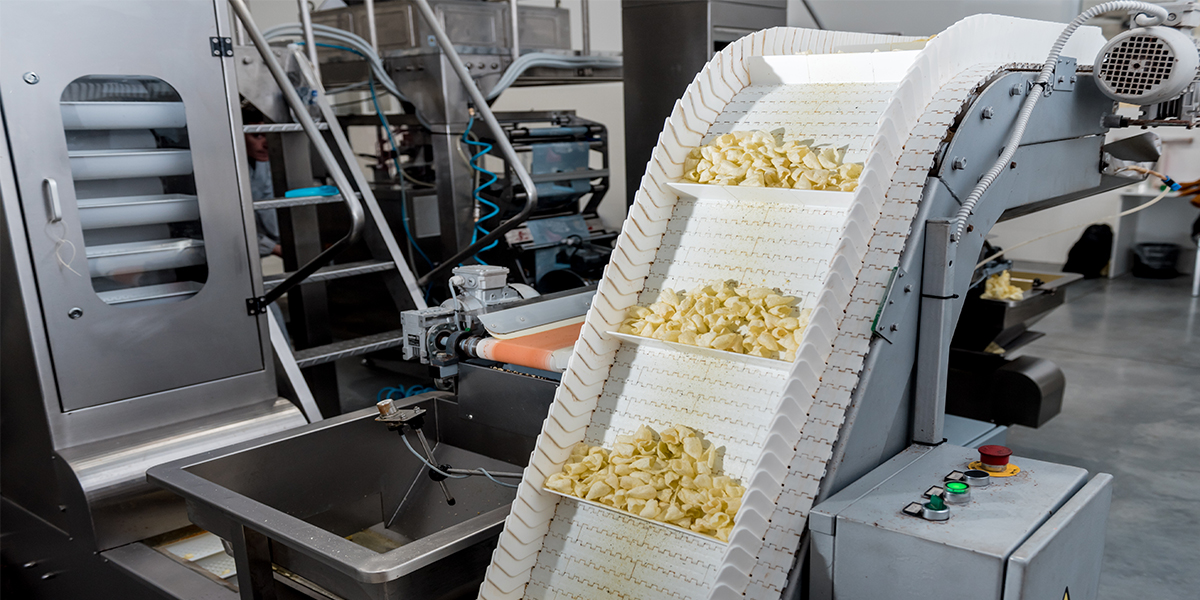
The failure rate of conveyor system projects isn’t due to poor engineering or faulty equipment—it’s typically the result of selecting the wrong conveyor technology for the application. In my experience across diverse industries, I’ve observed that approximately 60% of conveyor-related operational issues stem from fundamental mismatches between system capabilities and application requirements.
This disconnect often occurs during the initial planning phase when decision-makers focus on cost or familiar technologies rather than conducting comprehensive application analysis. The consequences extend far beyond initial implementation—improper selection leads to chronic maintenance issues, reduced productivity, and premature system replacement.
Understanding the core strengths and limitations of each conveyor technology enables informed decisions that optimize both performance and lifecycle value.
Conveyor Systems: A Professional Analysis of Types and Technical Specifications.
- Belt Conveyor Systems: Versatility and Reliability
Belt conveyors represent the most widely deployed conveyor technology, accounting for approximately 70% of industrial installations globally. Their popularity stems from proven reliability, relatively low complexity, and broad application suitability.
Technical Capabilities and Applications
Belt systems excel in continuous material transport applications, particularly for bulk materials and packaged goods. The technology effectively handles materials ranging from fine powders to large industrial components, with capacity capabilities extending from a few tons per hour to several thousand tons per hour.
Optimal Applications:
- Bulk material handling: aggregates, coal, grain, chemicals, and mining materials
- Distribution and e-commerce: packaged goods, parcels, and lightweight manufactured items
- Food processing: ingredients, packaged products, and processing line integration
- Long-distance transport: systems exceeding 1,000 meters are often most economical with belt technology
- Inclined conveying: capable of angles up to 18-20 degrees with appropriate belt selection
Engineering Considerations: The selection of belt construction, drive systems, and support structure requires careful analysis of material characteristics, environmental conditions, and operational requirements. Modern belt systems incorporate advanced materials engineering, precision drive controls, and integrated monitoring systems that significantly enhance reliability and performance.
Limitations and Constraints: Belt systems face challenges in applications involving sharp or extremely abrasive materials, high-temperature environments (typically limited to 150°C for standard constructions), and situations requiring frequent sanitary cleaning. Additionally, complex routing configurations and precise product positioning applications often favor alternative technologies.
Industry-Specific Implementations
Mining and Aggregate Processing: Belt systems dominate bulk material transport in mining operations, where systems may extend several kilometers and handle thousands of tons per hour. These installations require specialized engineering for impact loading, dust control, and extreme environmental conditions.
Food and Beverage Processing: FDA-approved belt materials and sanitary design principles enable effective food handling applications. However, cleaning requirements and temperature limitations must be carefully evaluated against operational needs.
- Roller Conveyor Systems: Precision and Flexibility
Roller conveyors provide superior control for packaged goods and manufactured items requiring precise positioning, accumulation capability, and flexible routing configurations.
Mechanical Design and Performance Characteristics
Roller systems utilize individually mounted cylindrical rollers to support and transport products with flat, stable bottom surfaces. The modular nature of roller construction enables complex layouts, integration with automated systems, and easy reconfiguration to accommodate changing operational requirements.
Primary Advantages:
- Precise product positioning for automated handling systems
- Accumulation capability without product damage or marking
- Low power consumption for gravity and lightweight powered applications
- Modular design facilitating complex routing and future expansion
- Excellent integration with sorting, diverting, and automated handling equipment
Application Suitability: Roller systems prove most effective for packaged goods, containers, boxes, and manufactured items with rigid, flat bottom surfaces. The technology excels in distribution centers, assembly operations, baggage handling systems, and packaging lines requiring accumulation zones.
Design Limitations: Roller conveyors cannot handle bulk materials, small parts that might fall between rollers, or products with irregular bottom surfaces. Additionally, the multiple moving parts require more maintenance attention than simpler belt systems, and noise levels can become significant without proper maintenance protocols.
Operational Implementations
Distribution and E-commerce: Modern distribution centers rely heavily on roller conveyor systems for their flexibility, integration capability, and accumulation features. These installations often incorporate sophisticated control systems, automated diverting, and high-speed sorting capabilities.
Manufacturing and Assembly: Precision positioning requirements in automotive, electronics, and appliance manufacturing make roller systems essential for many assembly operations. The ability to stop, start, and position products precisely enables seamless integration with robotic systems and automated assembly equipment.
- Chain Conveyor Systems: Heavy-Duty Performance
Chain conveyors provide the highest load capacity and most robust construction for extreme-duty applications where belt and roller systems cannot meet operational requirements.
Engineering Design and Capabilities
Chain conveyor systems utilize steel chains and specialized attachments to transport extremely heavy loads, operate in high-temperature environments, and handle materials that would damage other conveyor types. The positive drive characteristics eliminate slippage concerns and enable precise speed control even under varying load conditions.
Performance Advantages:
- Exceptional load capacity: systems capable of handling loads exceeding 50 tons per individual item
- High-temperature operation: specialized designs operate reliably at temperatures up to 800°C
- Durability in aggressive environments: resistance to abrasive materials, impacts, and harsh operating conditions
- Positive drive characteristics: no slippage regardless of load variations or environmental conditions
- Long service life: properly designed chain systems often operate reliably for 15-20 years
Application Requirements: Chain systems prove essential in foundries, steel mills, heavy manufacturing, automotive paint systems, and waste processing operations. These applications typically involve extreme temperatures, heavy loads, or aggressive materials that preclude other conveyor technologies.
Implementation Challenges: Chain conveyor systems require substantial structural support, precise alignment, and specialized maintenance expertise. Initial costs typically exceed belt or roller alternatives by 40-60%, and operational noise levels require consideration in facility design.
Specialized Applications
Automotive Manufacturing: Paint and finishing systems in automotive plants rely on chain conveyors for their ability to transport vehicle bodies through high-temperature ovens and coating processes. The precise speed control and environmental resistance are essential for quality outcomes.
Heavy Industry: Steel mills, foundries, and heavy equipment manufacturers depend on chain systems for transporting castings, forgings, and large components that exceed the capacity of other conveyor types.
- Slat Conveyor Systems: Specialized Solutions
Slat conveyors address unique applications where standard conveyor technologies cannot meet specific operational requirements, particularly involving high temperatures, specialized product handling, or sanitary design needs.
Design Characteristics and Applications
Slat systems utilize individual metal or plastic slats connected by chains or cables to create a continuous moving surface. This construction enables operation through ovens, wash systems, and other environments that would damage belt materials.
Unique Capabilities:
- High-temperature operation: stainless steel slat systems operate reliably in continuous high-temperature environments
- Sanitary design: easy cleaning and disassembly for food processing and pharmaceutical applications
- Specialized tooling integration: slats can incorporate fixtures, guides, and positioning devices
- Product flexibility: handles irregular shapes and products that would be problematic on other systems
Application Niches: Commercial bakeries, electronics manufacturing (wave soldering), parts washing systems, and specialized heat treatment processes represent typical slat conveyor applications.
Economic Considerations: Slat systems typically cost 200-300% more than equivalent belt systems and require more sophisticated maintenance protocols. However, they often represent the only viable solution for specific application requirements.
Strategic Recommendations
- Decision-Making Framework
- Optimal conveyor selection requires balancing multiple factors rather than optimizing single parameters:
- Performance Requirements: System must reliably meet current operational needs with reasonable future expansion capability.
- Economic Optimization: Lifecycle cost analysis should guide selection rather than initial purchase price alone.
- Risk Management: Consider consequences of system failure, availability of maintenance expertise, and spare parts accessibility.
- Long-term Success Factors
- Maintenance Capability: Ensure adequate maintenance staff training, spare parts inventory, and service support arrangements.
- Integration Planning: Consider current and future automation integration requirements during initial selection.
- Performance Monitoring: Implement appropriate monitoring systems to track performance, identify optimization opportunities, and plan future improvements.
- Conveyor technology selection represents a critical decision affecting operational performance for 15-20 years. Success requires comprehensive analysis of application requirements, thorough evaluation of technology alternatives, and systematic implementation approaches that optimize long-term value rather than minimize initial costs.
- The diversity of available conveyor technologies ensures viable solutions exist for virtually any material handling challenge. The key is matching specific application requirements with appropriate technology capabilities through systematic engineering analysis and strategic decision-making.