After two decades of designing, implementing, and optimizing conveyor systems across diverse industries, I’ve witnessed firsthand the seismic shift that e-commerce has brought to warehousing and distribution. The exponential growth in online retail—with package volumes increasing by over 300% in the past five years alone—has fundamentally redefined what we expect from conveyor technology.
The Engineering Challenge: Beyond Basic Transportation
When most people think of conveyor belts, they envision simple transportation mechanisms. However, modern e-commerce operations demand sophisticated engineering solutions that integrate mechanical precision, electrical control systems, and intelligent software algorithms.
Belt Selection: The Foundation of Performance
The selection of appropriate belt materials remains one of the most critical yet underestimated aspects of conveyor system design. In high-throughput e-commerce environments, we’re dealing with:
Load Dynamics: Modern systems must handle packages ranging from 50-gram envelopes to 50-kilogram bulk items within the same operational cycle. This requires belting solutions with exceptional tensile strength and flexibility coefficients that can accommodate varying load distributions without compromising speed or accuracy.
Environmental Considerations: Temperature fluctuations, humidity variations, and dust accumulation in large distribution centers demand belt materials with superior resistance properties. I’ve seen systems fail catastrophically due to inadequate material selection—a costly lesson that reinforces the importance of engineering fundamentals.
Surface Characteristics: The coefficient of friction between belt surfaces and package materials directly impacts sorting accuracy and damage rates. Our industry has evolved toward specialized surface textures and polymer compounds that optimize grip while minimizing package scuffing.
Drive Systems and Power Transmission
The heart of any conveyor system lies in its drive mechanism. Modern e-commerce applications require variable frequency drives (VFDs) that can adjust belt speeds dynamically based on real-time load conditions and downstream capacity constraints.
Torque Management: Peak operational demands can generate torque requirements 3-4 times the nominal load. Proper gearbox selection, coupling design, and motor sizing require precise engineering calculations that account for acceleration profiles, emergency stops, and thermal management.
Energy Efficiency: With electricity costs representing 15-20% of total conveyor operational expenses, motor efficiency ratings and regenerative braking systems have become crucial design considerations. Advanced systems now incorporate energy recovery mechanisms that can reduce power consumption by up to 30%.
System Architecture: Integration and Control
Sortation Technology Evolution
The sophistication of modern sortation systems represents one of the most significant technological advances in our field. Today’s installations utilize:
Sliding Shoe Sorters: Capable of processing up to 15,000 items per hour with divert speeds reaching 3.5 meters per second. The precision required for successful diversion—typically within ±5mm tolerance—demands exceptional mechanical engineering and real-time control systems.
Tilt-Tray Systems: For handling fragile or irregularly shaped items, tilt-tray sorters provide controlled discharge angles while maintaining package integrity. The servo-controlled tilt mechanisms must operate millions of cycles with minimal maintenance requirements.
Cross-Belt Sorters: The most versatile solution for mixed-item handling, incorporating individual drive motors for each carrier. The complexity of coordinating hundreds of synchronized drive units while maintaining system reliability requires sophisticated control algorithms and robust mechanical design.
Control System Integration
Modern conveyor systems function as integral components of broader warehouse automation ecosystems. The control architecture must seamlessly interface with:
Warehouse Management Systems (WMS): Real-time data exchange protocols ensure optimal routing decisions based on inventory location, order priority, and downstream capacity.
Automated Storage and Retrieval Systems (AS/RS): Precise timing coordination between conveyor feed rates and storage/retrieval cycles prevents bottlenecks and maximizes throughput efficiency.
Quality Control Systems: Integration with vision inspection systems, weight verification, and barcode validation requires conveyor systems with precise speed control and programmable stop/start capabilities.
Material Science and Component Engineering
Bearing and Drive Component Selection
The reliability of conveyor systems ultimately depends on the quality and appropriateness of individual components:
Bearing Selection: Operating environments with high particulate loads and temperature variations demand specialized bearing seals and lubrication systems. I’ve implemented systems using ceramic hybrid bearings in extreme conditions, achieving service lives exceeding 100,000 operational hours.
Chain and Sprocket Engineering: For heavy-duty applications, the pitch accuracy and material properties of drive chains directly impact system longevity. Precision-manufactured chains with case-hardened pins and specialized coatings can extend maintenance intervals by 200-300%.
Roller Design: The geometric precision of conveyor rollers affects both operational noise levels and power transmission efficiency. Advanced roller designs incorporate sealed bearing assemblies and balanced construction to minimize vibration and extend service life.
Structural Engineering Considerations
Frame Design: Modern conveyor frameworks must accommodate dynamic loading conditions while maintaining dimensional stability over extended operational periods. Finite element analysis has become essential for optimizing structural designs that balance material efficiency with operational reliability.
Expansion Joint Integration: Temperature-induced dimensional changes in long conveyor runs can generate substantial structural stresses. Proper expansion joint placement and design prevents frame distortion and maintains belt tracking accuracy.
Performance Optimization and Predictive Maintenance
Real-Time Monitoring Systems
Contemporary conveyor installations incorporate comprehensive sensor networks that provide continuous operational feedback:
Vibration Analysis: Accelerometer arrays detect developing mechanical issues before they result in system failures. Machine learning algorithms can identify vibration signatures indicating specific component degradation patterns.
Belt Tracking Sensors: Photoelectric and ultrasonic sensors monitor belt alignment with millimeter precision, enabling automatic tracking adjustments that prevent edge damage and extend belt life.
Power Monitoring: Current and voltage analysis of drive motors provides insights into mechanical loading conditions and can predict component failures weeks in advance.
Maintenance Protocol Development
Based on extensive operational data analysis, we’ve developed maintenance protocols that reduce unplanned downtime by up to 85%:
Predictive Lubrication: Oil analysis and vibration monitoring determine optimal lubrication intervals, preventing both under-lubrication failures and over-lubrication waste.
Component Life Cycle Management: Statistical analysis of component failure patterns enables proactive replacement strategies that minimize operational disruptions.
Future Technologies and Industry Evolution
Artificial Intelligence Integration
The convergence of AI technologies with conveyor systems promises revolutionary improvements in operational efficiency:
Dynamic Route Optimization: Machine learning algorithms can analyze historical throughput data and predict optimal routing patterns that adapt to seasonal variations and operational constraints.
Predictive Analytics: AI-driven analysis of sensor data can identify subtle performance degradation patterns that precede system failures, enabling truly predictive maintenance strategies.
Sustainable Engineering Solutions
Environmental considerations increasingly influence conveyor system design decisions:
Material Selection: Bio-based polymer compounds and recycled material incorporation reduce environmental impact without compromising performance characteristics.
Energy Recovery Systems: Regenerative drive systems and gravity-assisted designs can achieve net-positive energy generation in specific applications.
Modular Design Philosophy: Standardized, interchangeable components facilitate system reconfiguration and component reuse, reducing waste and lifecycle costs.
Industry-Specific Challenges and Solutions
Pharmaceutical and Food Grade Applications
Specialized conveyor systems for regulated industries require additional engineering considerations:
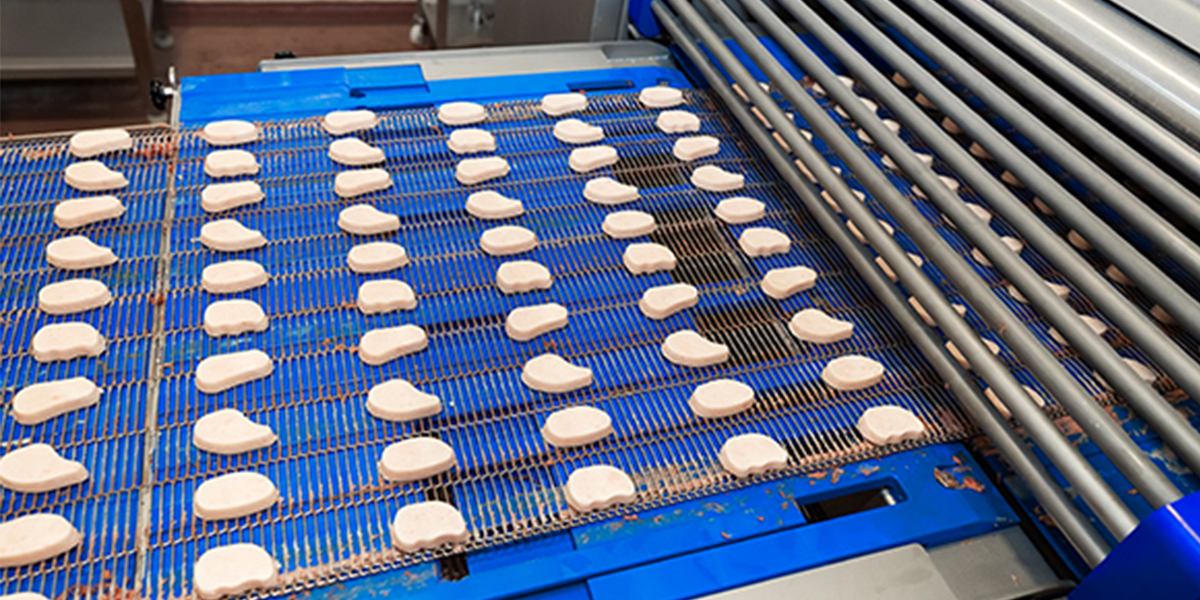
Sanitary Design: Smooth surfaces, crevice-free construction, and washdown compatibility demand specialized materials and fabrication techniques.
Validation Requirements: FDA and cGMP compliance requires comprehensive documentation and validation protocols that demonstrate system reliability and contamination prevention.
Automotive and Heavy Industry
High-load applications present unique engineering challenges:
Shock Load Management: Impact-resistant designs and energy absorption systems protect conveyor components from damage during heavy component handling.
Precision Positioning: Automated assembly lines require conveyor systems with positioning accuracies within ±1mm tolerances, demanding specialized drive controls and mechanical design.
Economic Impact and ROI Analysis
Capital Investment Optimization
Proper conveyor system design requires comprehensive lifecycle cost analysis:
Initial Capital Costs: Equipment selection decisions must balance performance capabilities with budget constraints while ensuring adequate capacity for future growth.
Operational Expenses: Energy consumption, maintenance requirements, and labor costs significantly impact total cost of ownership over 15-20 year system lifespans.
Productivity Gains: Quantifying throughput improvements, error rate reductions, and labor savings provides objective metrics for investment justification.
Risk Mitigation Strategies
Redundancy Planning: Critical path analysis identifies potential failure points and guides redundant system design that prevents single-point failures from disrupting operations.
Supplier Quality Management: Component sourcing strategies that emphasize supplier reliability and quality certification reduce long-term operational risks.
Conclusion: Engineering Excellence in Practice
The complexity of modern e-commerce operations demands conveyor systems that represent the pinnacle of mechanical, electrical, and software engineering integration. Success in this field requires not only technical expertise but also deep understanding of operational requirements, economic constraints, and future technology trends.
As we continue to push the boundaries of what’s possible in automated material handling, the fundamental principles of sound engineering—precise calculations, appropriate material selection, and robust design practices—remain as relevant as ever. The companies that recognize conveyor systems as sophisticated engineering solutions, rather than simple transportation mechanisms, will continue to lead in operational efficiency and competitive advantage.
The future of e-commerce logistics depends on our ability to engineer systems that are not only faster and more efficient but also more intelligent, sustainable, and adaptable to rapidly changing market demands.
I welcome discussions with fellow engineers and industry professionals about the technical challenges and innovative solutions shaping our industry. What engineering innovations are you implementing in your conveyor system designs?