In the dynamic world of industrial material handling, conveyor belts remain the unsung heroes in driving operational efficiency. The choice of conveyor belt system is far from trivial—it critically influences productivity, equipment longevity, safety, and overall process reliability. As industries diversify and evolve, understanding the distinct roles and benefits of modular, flat, and specialty conveyor belts becomes imperative for businesses seeking sustainable competitive advantage.
Drawing on years of experience at Ultraplast Conveyor Chains, I share an in-depth perspective on these three prominent conveyor belting technologies, highlighting their design principles, operational strengths, and strategic applications.
Modular Conveyor Belts: Engineering Flexibility and Robustness
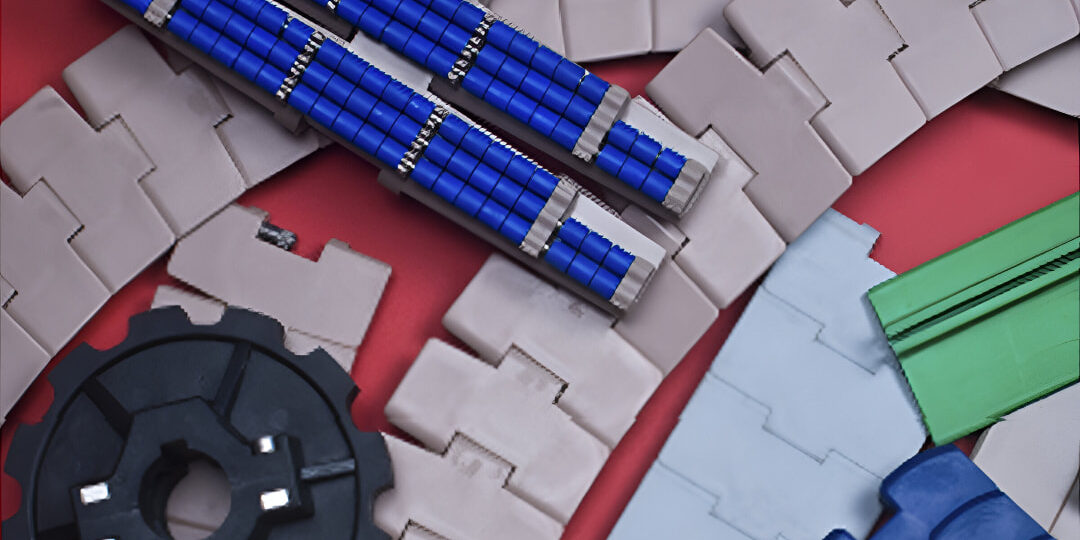
Modular conveyor belts consist of interlocking durable plastic or metal modules, creating a segmented yet continuous belt surface. This design offers remarkable flexibility in conveyor configurations, accommodating complex routing requirements such as tight curves, inclines up to steep angles, and multifaceted system layouts.
One of the defining advantages of modular belts is maintainability. Damaged segments can be replaced individually without dismantling the entire belt, significantly reducing downtime and repair costs—a critical factor in high-throughput industries.
The material composition typically involves engineered thermoplastics with outstanding resistance to chemicals, moisture, and high temperatures. This makes modular belts indispensable in hygiene-sensitive sectors like food processing, pharmaceuticals, and beverage manufacturing, where frequent washdowns and strict sanitation protocols are mandatory.
Additionally, modular belts can be engineered with open-grid patterns facilitating drainage or airflow, suited for processes involving washing, drying, or cooling.
Flat Conveyor Belts: Streamlined Performance for Linear Material Flow
Flat belts retain a timeless appeal due to their straightforward construction—a continuous belt with fabric reinforcement and elastomeric covers providing a smooth surface for material transport. Their simplicity translates into cost-efficiency and ease of integration in linear or gently curved conveyor lines.
Optimal for transporting bulk goods, packaged materials, and medium-weight components, flat belts operate at high speeds with low noise generation. Their ability to handle varied surface treatments—such as smooth, textured, or rough—enables them to adapt to different friction and grip requirements.
However, for incline or decline conveyors, flat belts often require the addition of cleats, sidewalls, or other accessories to prevent product rollback and spillage. Moreover, the belt’s resistance to abrasion and wear is dictated by the cover materials, necessitating ongoing monitoring and maintenance planning to ensure operational continuity.
Specialty Belting Systems: Tailored Solutions for Complex Challenges
Specialty belts encompass a diverse range of engineered options designed to address specific conveyor challenges beyond the scope of modular and flat belts. This includes cleated belts with raised ridges for incline transport, sidewall belts with vertical flanges for vertical lifting, wire mesh belts for heat or fluid exchange, and textured belts for enhanced grip on irregular products.
Each specialty belt type is engineered for precise conditions—whether it’s transporting loose, bulk materials on steep angles, facilitating drying and cooling processes in manufacturing, or ensuring gentle product handling to minimize damage.
The design and material selection for specialty belts are critical; they must balance flexibility, tensile strength, abrasion resistance, and chemical tolerance. While their deployment often entails a higher initial investment and specialized maintenance, the increased process reliability and throughput justify the expenditure for many industries.
Strategic Insights: Aligning Belt Choice with Business Goals
Selecting the most appropriate conveyor belt system extends beyond technical specifications—it requires an alignment with the business’s operational workflows, safety mandates, environmental constraints, and long-term cost management strategies.
At Ultraplast Conveyor Chains, we advise our clients to consider:
- Material Characteristics: The nature of conveyed goods—weight, abrasiveness, moisture content—dictates belt choice.
- Operational Environment: Temperature extremes, exposure to chemicals, and hygiene requirements impact material and design selection.
- Production Throughput: Conveyor belt durability and maintenance influence downtime and productivity KPIs.
- Layout Complexity: Conveyor routing, including curves, elevations, and intersections, defines mechanical requirements.
Our collaborative approach ensures clients receive conveyor solutions optimally configured with modular, flat, or specialty belts, driving sustained performance and competitive advantage.
In conclusion, conveyor belt selection is a pivotal engineering decision with tangible effects on efficiency, safety, and cost-effectiveness. With rising industry demands for precision and flexibility, understanding the nuanced roles of conveyor belt alternatives is essential. Ultraplast Conveyor Chains is committed to delivering these insights and customized solutions as partners in industrial innovation.