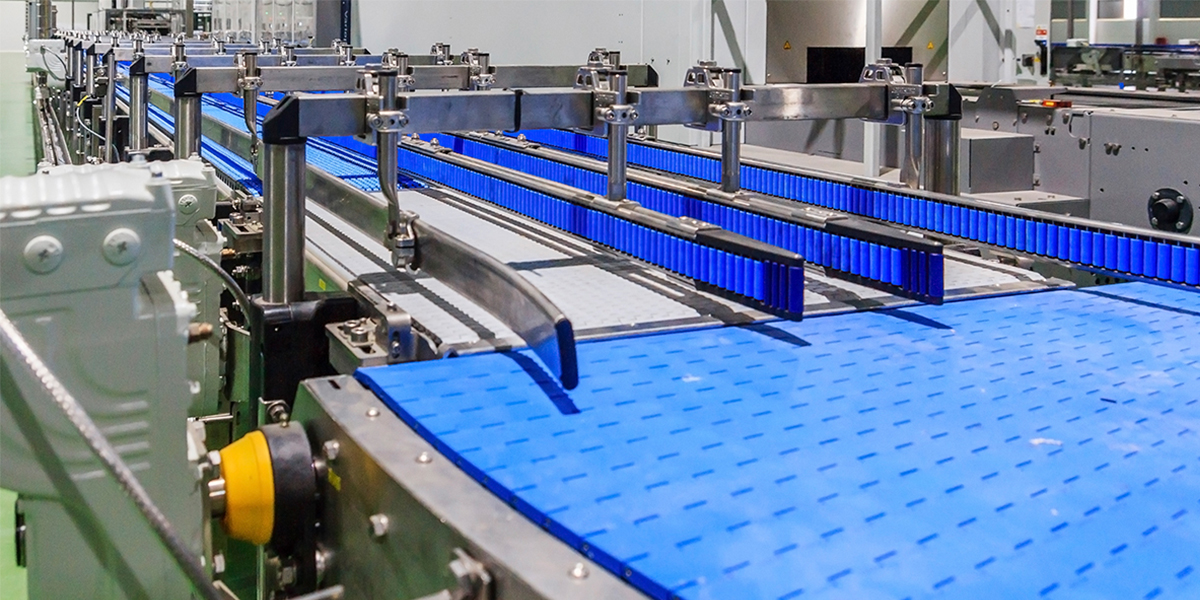
In manufacturing operations, conveyor system performance is fundamentally determined by installation quality rather than component specifications alone. Even the most advanced engineering and premium materials cannot compensate for installation deficiencies that create long-term operational challenges and increased maintenance costs.
Through extensive collaboration with manufacturers, OEMs, and production engineers across diverse industries, a consistent pattern emerges: installation errors—often seemingly minor—compound into significant operational inefficiencies that undermine system performance and profitability.
Critical Installation Challenges and Solutions
1. Precision Alignment: The Foundation of Performance
The Challenge: Alignment deviations, often considered acceptable during visual inspection, create cascading operational issues including product jamming, accelerated chain wear, tracking problems, and increased energy consumption due to friction losses.
Best Practice Solution: Implement precision measurement protocols using laser alignment systems, dial gauges, and calibrated leveling equipment. In multi-section installations, ensure seamless transitions with verified flush connections. While this approach requires additional installation time, the investment delivers substantial returns through improved uptime and reduced maintenance requirements.
2. Optimal Chain and Belt Tensioning
The Challenge: Over-tensioning—often perceived as ensuring secure operation—creates excessive stress on sprockets, bearings, and drive systems, leading to premature component failure, increased power consumption, and potential catastrophic system damage.
Best Practice Solution: Adhere strictly to manufacturer tensioning specifications while accounting for material expansion during operation. Conduct systematic trial runs to verify proper tension balance—sufficient to prevent sagging while maintaining smooth operation throughout the thermal expansion range.
3. Strategic Lubrication Management
The Challenge: Inadequate or incorrect lubrication practices, including missed application points, incompatible lubricant selection, or excessive application that attracts contaminants, significantly reduce system longevity and performance.
Best Practice Solution: Implement environment-specific lubrication protocols using appropriate grades (food-safe, high-temperature, or anti-static formulations). Establish preventive maintenance schedules with documented lubrication procedures, and consider automated systems for high-volume operations where manual maintenance proves impractical.
4. Thermal Expansion Accommodation
The Challenge: In temperature-variable environments, inadequate planning for thermal expansion results in component warping, system jamming, and stress-related failures that compromise operational continuity.
Best Practice Solution: Incorporate thermal management features including controlled clearances, expansion joints, floating shaft configurations, and telescopic sections where required. Ensure support structures accommodate thermal movement without compromising system integrity.
5. Component Compatibility Standards
The Challenge: Using generic fasteners and hardware with premium conveyor components creates vulnerability to corrosion, galvanic reactions, and structural failure that undermines system durability and safety standards.
Best Practice Solution: Maintain material compatibility throughout the installation, ensuring fasteners match the corrosion resistance and strength characteristics of primary system components. This approach prevents galvanic corrosion and maintains structural integrity in challenging operational environments.
6. Comprehensive Load Testing Protocols
The Challenge: Systems often receive approval based on no-load operation, failing to identify issues that manifest only under actual production conditions, including vibration patterns, pressure points, and bottleneck formation.
Best Practice Solution: Implement full-scale testing protocols using representative production loads before system commissioning. Monitor for temperature anomalies, slippage, noise patterns, and performance deviations that indicate required adjustments.
7. Project Timeline Management
The Challenge: Compressed installation schedules often result in abbreviated commissioning procedures, creating systems that operate sub-optimally and generate ongoing maintenance challenges and production losses.
Best Practice Solution: Integrate installation requirements into overall project planning, allocating sufficient time for proper procedures, comprehensive testing, and system optimization. Short-term delays in startup prevent extended troubleshooting periods and operational inefficiencies.
Systems Thinking in Conveyor Installation
Modern conveyor systems function as integrated operational networks rather than simple material transport mechanisms. Their performance directly impacts production efficiency, product quality, and operational costs throughout the manufacturing process.
Successful installations require comprehensive understanding of movement dynamics, load characteristics, thermal considerations, material behavior, and environmental factors. Organizations that prioritize these installation fundamentals consistently achieve superior operational outcomes compared to those focusing solely on component specifications.
Strategic Implementation Approach
Our industry experience consistently demonstrates that post-installation interventions often address preventable installation or commissioning errors. This reality has shaped our approach to provide comprehensive technical support including installation training, detailed documentation, and on-site guidance during critical implementation phases.
The distinction between conveyor systems that merely function and those that optimize performance lies in the attention dedicated to installation precision and systematic commissioning procedures.
Key Takeaways for Manufacturing Leaders
Installation quality serves as the foundation for conveyor system performance throughout its operational lifecycle. Organizations planning new installations or system retrofits should recognize that proper installation represents a strategic investment in operational efficiency rather than a project completion milestone.
By implementing systematic installation protocols, comprehensive testing procedures, and thorough commissioning practices, manufacturers can realize the full performance potential of their conveyor investments while minimizing long-term operational costs and maintenance requirements.