The advancement of conveyor belt technology has yielded specialized designs that address complex material handling requirements. Cleated and sidewall belts exemplify such innovation, engineered with precise structural features and material compositions to perform reliably under demanding industrial conditions.
A detailed understanding of their design principles, material characteristics, and application-specific performance is essential for specifying conveyor systems that deliver operational excellence across specialized industries.
Engineering and Material Design of Cleated Belts
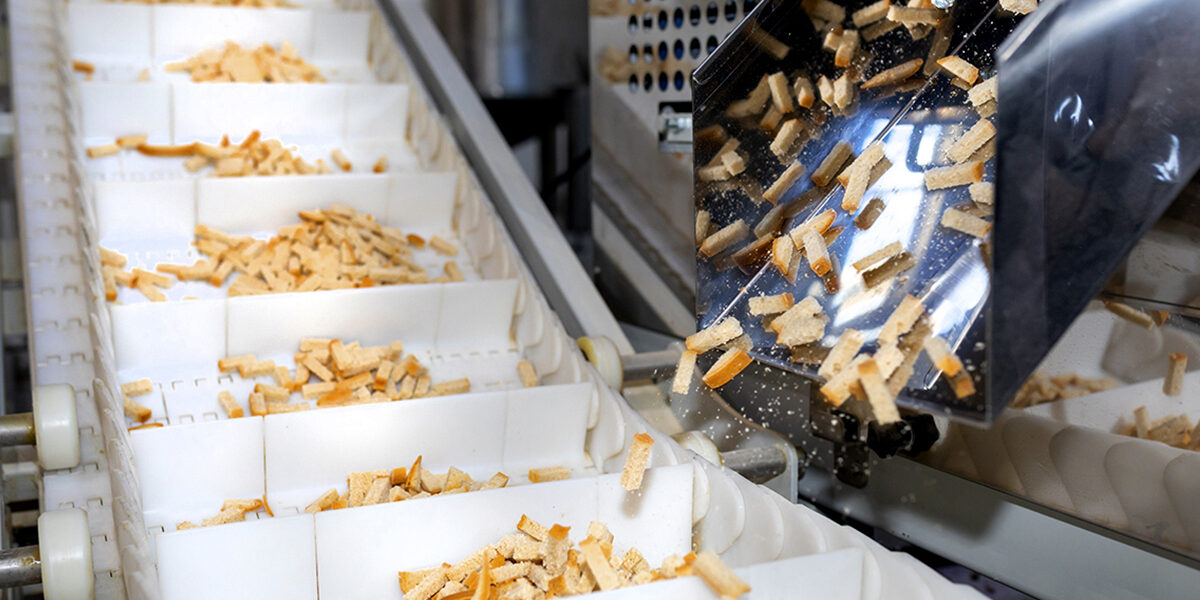
Cleated conveyor belts feature upright ridges, or cleats, secured to the belt surface through thermal or mechanical methods. These cleats create pockets that increase grip and prevent materials from sliding backward on inclined conveyors.
Design Considerations:
- Cleat Geometry: Varying profiles such as straight, chevron, and molded cleats adapt to material flow characteristics. Cleat height and spacing are tailored to maximize containment while preserving belt flexibility.
- Belt Construction: Multi-ply polyester, nylon, or aramid fabrics provide robust tensile strength and reduced elongation, ensuring dimensional stability under heavy loads.
- Top Cover Composition: Material choices include abrasion-resistant rubber, polyurethane (PU), or polyvinyl chloride (PVC), selected based on application demands such as temperature range, chemical exposure, and hygiene standards.
Performance Attributes:
- Capability to maintain load integrity on steep inclines
- Resistance to material slippage and mechanical wear
- Adequate flexibility for adherence to pulley diameters without cleat fatigue
Structural and Functional Aspects of Sidewall Belts
Sidewall conveyor belts integrate vertical sidewalls along the belt’s edges, often combined with transverse cleats, enabling the transport of loose or bulk materials on steep or vertical inclines.
Structural Features:
- Sidewalls: Manufactured from durable and flexible TPU, rubber, or PVC, engineered for tensile and tear resistance while maintaining pliability. Sidewall dimensions are optimized to confine materials effectively without impeding belt motion.
- Cleat Integration: Transverse cleats complement sidewalls by segmenting the belt surface into material-holding sections.
- Carcass Reinforcement: Reinforced with woven or steel cable plies to withstand longitudinal stress and minimize elongation crucial for load stability and belt tracking.
- Wear Protection: Reinforced edges reduce abrasion from conveyor components and materials.
Operational Benefits:
- Compatible with inclines up to 90 degrees including vertical conveyance
- Reduces conveyor footprint by enabling vertical transport
- Minimizes transfer points, lowering product damage and equipment wear
Advances in Materials Science
Material innovations enable cleated and sidewall belts to tolerate abrasive materials, chemical exposure, and extreme temperatures encountered in specialized industries. Key materials used at Ultraplast include:
- TPU and PU compounds providing elasticity, wear resistance, and chemical stability
- Blended PVC/rubber compounds balancing durability and flexibility
- Reinforced fabric layers using aramid or high-tenacity polyester for superior tear resistance and minimal elongation
Applications Across Industries
- Mining and Quarrying: High abrasion resistance and load capacity extend service life in transporting heavy ores and aggregates.
- Food and Pharmaceuticals: Hygienic belt surfaces comply with FDA standards to ensure sanitary handling of food and sensitive materials.
- Packaging and Logistics: Vertical conveyors enabled by sidewall belts optimize warehouse space and enhance throughput.
- Chemical Processing: Corrosion-resistant materials ensure longevity in handling aggressive substances.
Conclusion: Precision Engineering for Optimal Material Handling
An in-depth grasp of cleated and sidewall belt technologies empowers industry professionals to tailor conveyor systems explicitly aligned with operational challenges. Ultraplast Conveyor Chains blends cutting-edge materials and precision manufacturing to produce conveyor belts that enhance efficiency, reliability, and safety in demanding industrial sectors.
For in-depth consultations or to explore tailored solutions, Ultraplast remains a trusted partner in advancing conveyor technology.